
Works · Novella · 1898
The Turn of the Screw
by Henry James
First appeared 27 Jan 1898 in Collier's Weekly
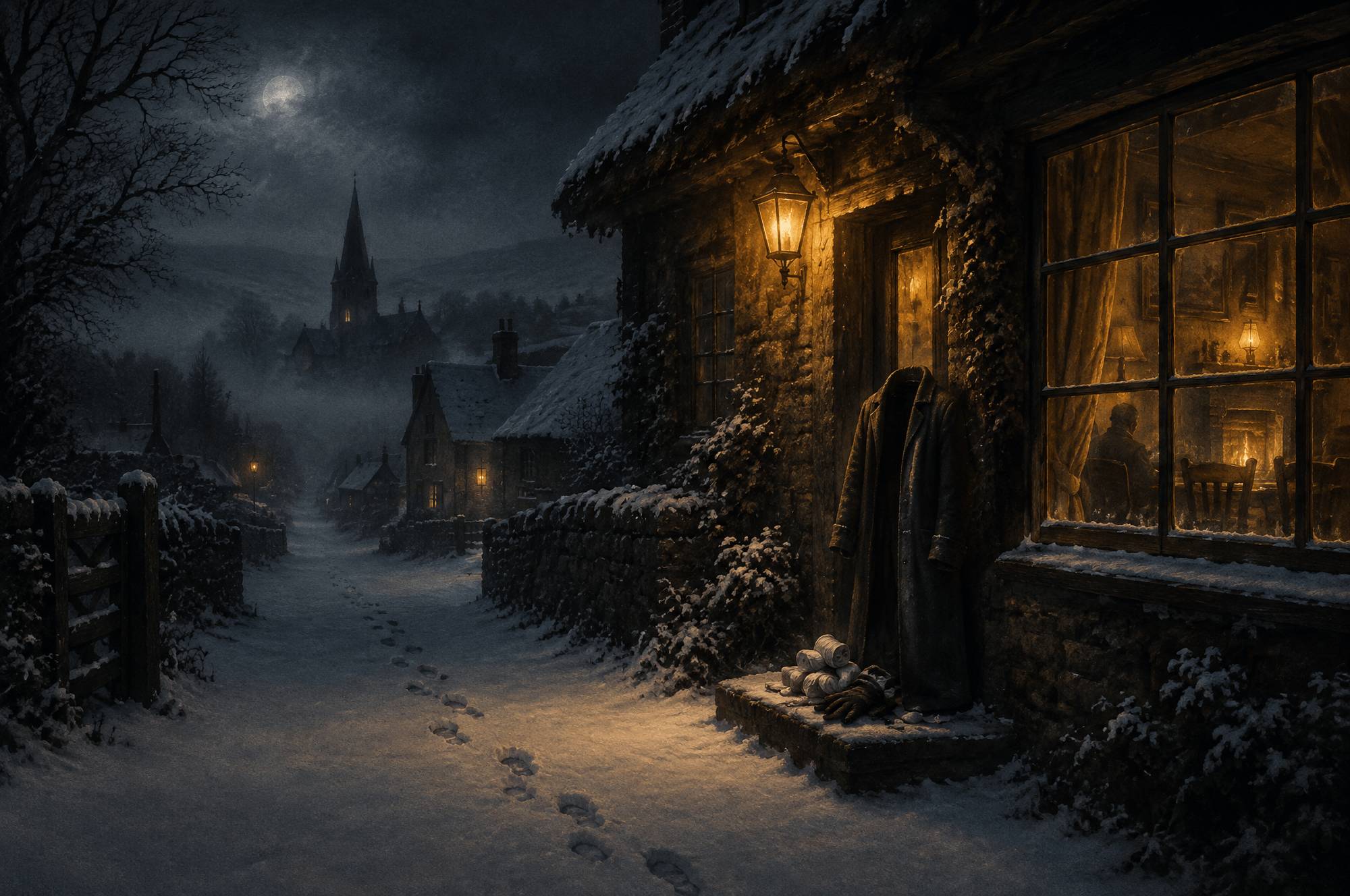
Nocturne plate · illustration (AI-generated, 2026)
Synopsis
At a country house on Christmas Eve, a guest called Douglas reads aloud the manuscript of a governess long dead. Hired by a charming bachelor guardian who refuses to be troubled, she takes charge of two orphans, Flora and Miles, at his estate of Bly in Essex. Miles is expelled from school for reasons nobody will state. The governess begins to see a man on the tower and a woman by the lake, and learns from the housekeeper Mrs Grose that they resemble two servants who have died. Whether the dead truly return, and what they want from the children, is left for the reader to judge.
The great question, or one of these, is, afterward, I know, with regard to certain matters, the question of how long they have lasted.
Facts
- The title phrase belongs to the frame story: after one guest says a child makes a ghost story creepier, the guest Douglas remarks that if a child gives the effect another turn of the screw, one may ask what two children would do; the manuscript he then reads is the answer (Prologue, where the Gutenberg text italicises ‘two’).[5]
- The tale first ran in 1898 in Collier’s Weekly, illustrated by Eric Pape, who made five images for the serial (one, of the governess meeting the ghost of Miss Jessel, is dated 5 March 1898 and is held at the Beinecke Library, Yale); it reached book form later that year in The Two Magics, alongside the short story ‘Covering End’.[2][3][4]
- The governess herself reaches for Gothic precedent: in the fourth chapter she asks whether Bly hides ‘a mystery of Udolpho’ or an ‘insane, an unmentionable relative kept in unsuspected confinement’.[5]
Setting
A mid-Victorian past, told on a Christmas Eve by a frame narrator[5]
- Bly, a country house in Essex
- London (Harley Street)
Themes
Notes on dates 2 notes on disputed dates and attribution
- Serial dates: Part First is in Collier’s Weekly of 27 January 1898 (issue scan); the end date is not established, so none is shown.
- Publisher of the book: the Gutenberg title page of The Two Magics names Macmillan (New York and London); the Internet Archive record describes a Heinemann ‘First English edition’. Only the year is shown.
Threads
Threads in
- Descends from The Mysteries of Udolpho 1794
The governess explicitly asks whether she has stumbled on ‘a mystery of Udolpho’ at Bly (Chapter IV), marking the story’s debt to the Radcliffean secret-in-the-house plot.[5]
Threads out
No sourced relation from a later work on this timeline is recorded.
Contemporaries
Works on the timeline that first appeared within three years of 1898, and the other writers alive when The Turn of the Screw appeared (ages computed from sourced dates).
-
-

-
-
-
-
-

-
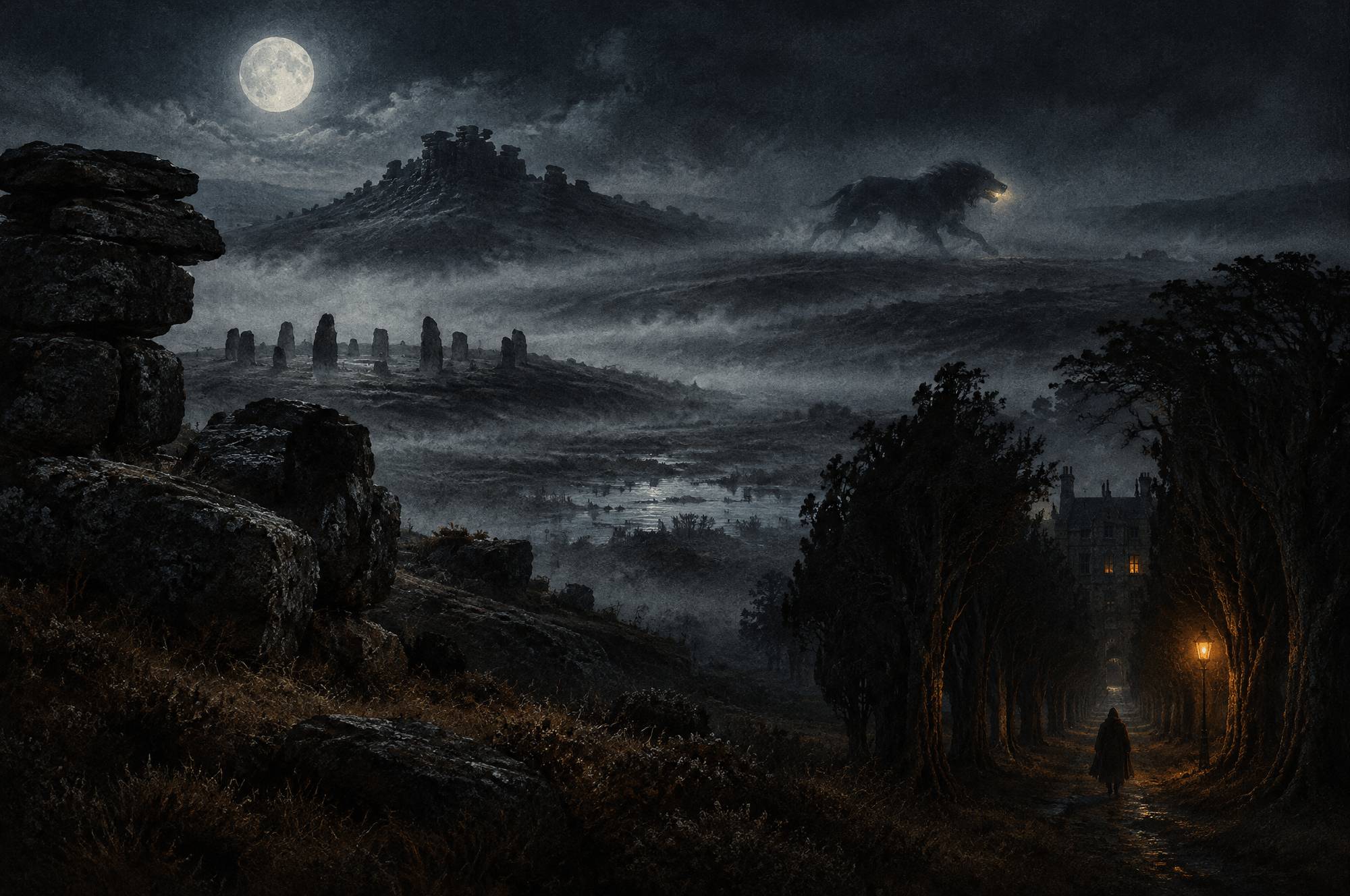
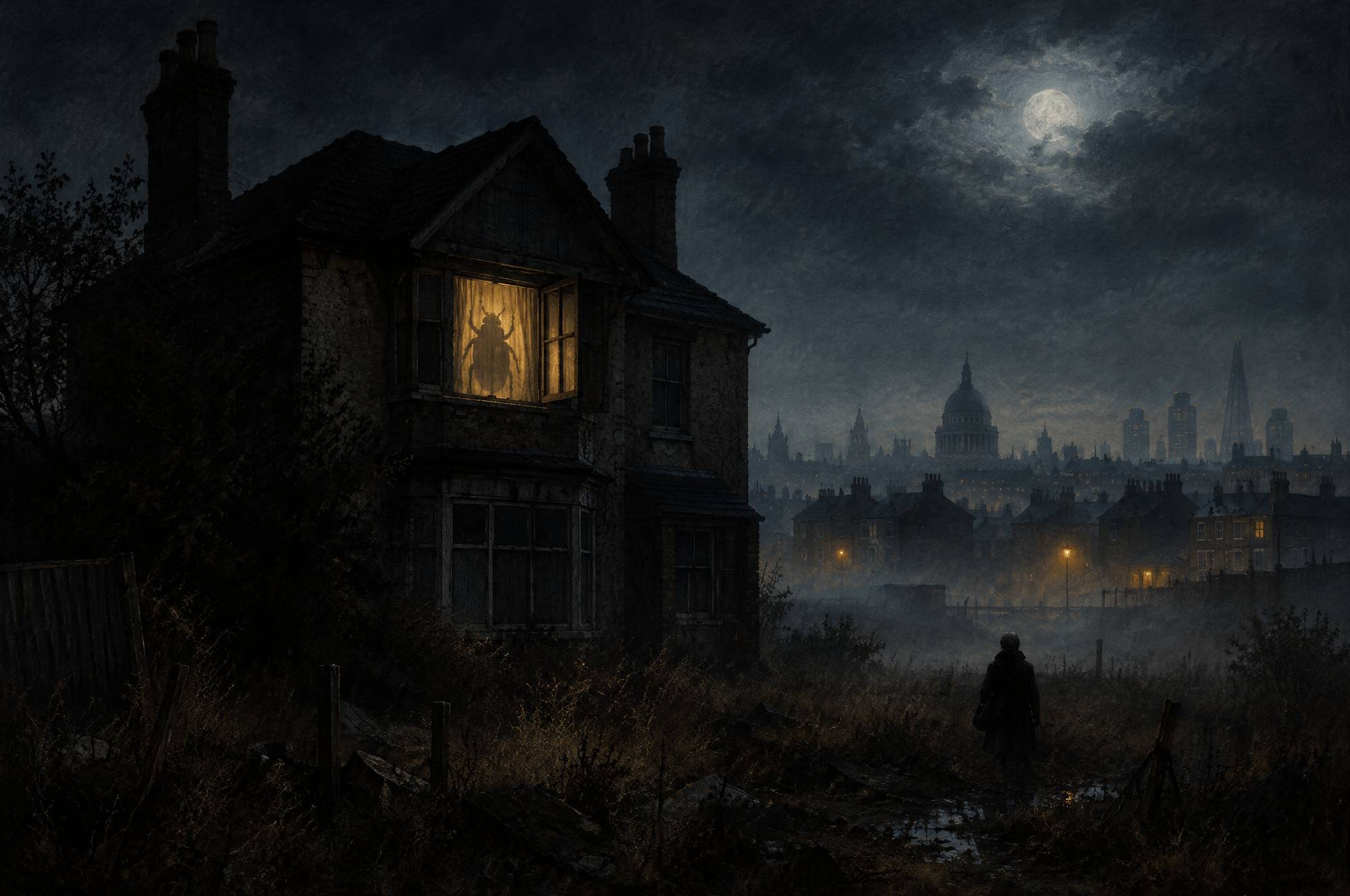
Thumbnails: Nocturne plates · illustration (AI-generated, 2026).
Alive at first appearance (27 Jan 1898)
Sources
- Collier's: The National Weekly, 27 January 1898, Vol. 20 Iss. 17 (issue scan; opens 'The Turn of the Screw' Part First, drawn by John La Farge). Internet Archive (Serials in Microfilm). Accessed 2026-10-09.
- Things Terrible and Unguessable: The Turn of the Screw and the Visual Vocabulary of Gothic Horror (item: Eric Pape illustration, Collier's Weekly, 5 March 1898; original at Beinecke Library, Yale). Omeka exhibit (holding institution: Beinecke Rare Book & Manuscript Library). Accessed 2026-10-09.
- The Two Magics: The Turn of the Screw, Covering End (Project Gutenberg ebook #42486; title page: New York, The Macmillan Company, 1898). Project Gutenberg. Accessed 2026-10-09.
- The two magics. The turn of the screw, Covering End (London: W. Heinemann, 1898; 'First English edition'). Internet Archive. Accessed 2026-10-09.
- The Turn of the Screw (Project Gutenberg ebook #209). Project Gutenberg. Accessed 2026-10-09.